
ZAG Insights
"Flexible, fast, creative" - How modern recruiting works today
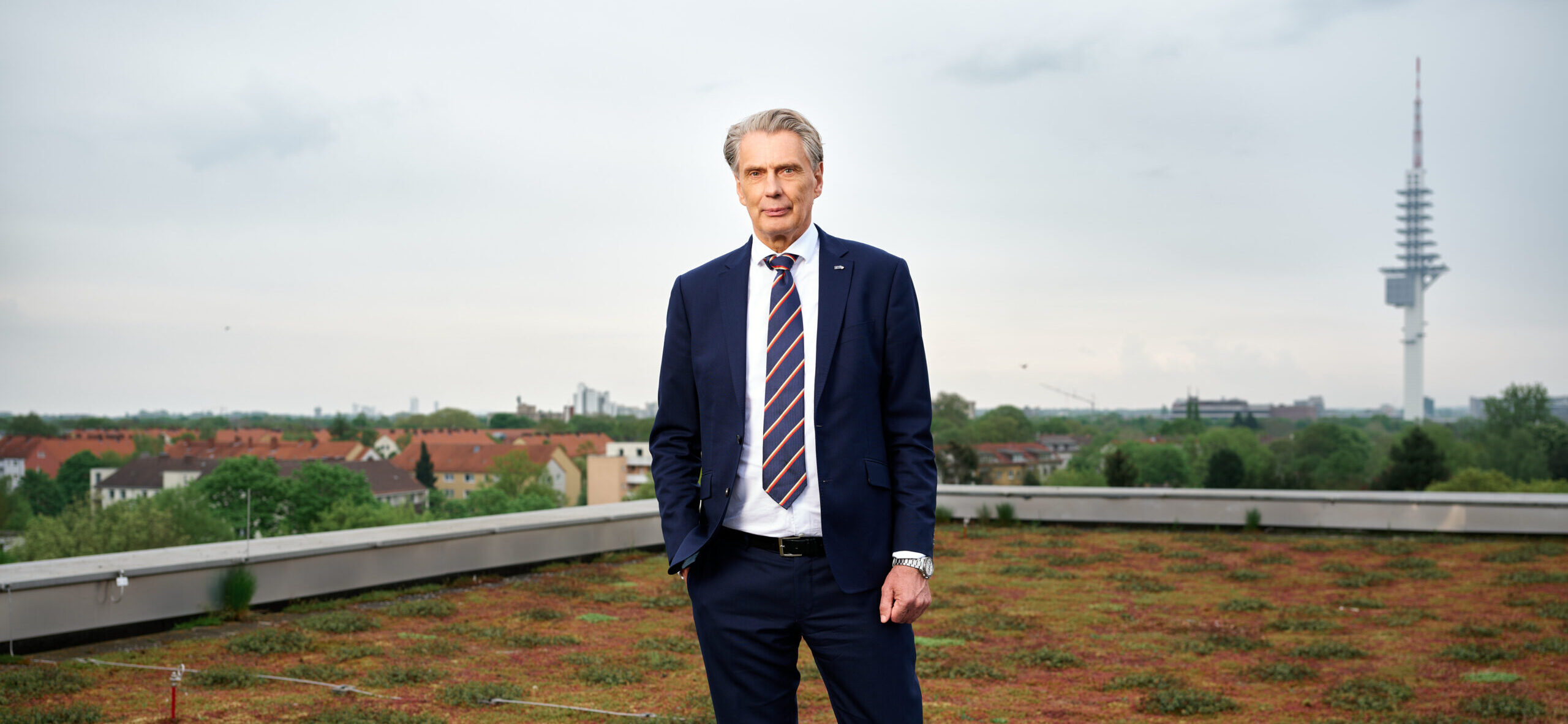
Insights from Torsten Roßmann, Head of Recruiting at ZAG
The labour market is changing - and recruiting strategies need to keep pace. Torsten Roßmann, Head of Recruiting at ZAG, explains how companies are attracting talent today and which developments will characterise the coming years.

Skilled labour and helper market in upheaval
The shortage of qualified specialists is no longer a side note, but an everyday occurrence in many sectors. "Traditional approaches are often no longer enough," emphasises Roßmann. Instead, successful companies increasingly rely on Active Sourcing, Direct approach and a strong Employer brandingto remain visible and actively attract talent.
Regional markets need individual strategies
There is no off-the-shelf recipe for success. "Every regional labour market is different - especially in the helper market, you have to act quickly and simply," explains Roßmann. ZAG relies here on targeted META campaignstailored to local needs and reach talents directly on site.
Active sourcing as a game changer
While many companies are still waiting for applications, ZAG is actively approaching talented individuals. The recruiting team uses platforms such as LinkedIn to identify and contact potential candidates who are often not reachable via traditional channels. "This not only enables us to recruit suitable specialists more quickly, but also strengthens our employer branding," says Roßmann.
Faster staffing through close dialogue
ZAG relies on a continuous flow of information between Sales and Recruiting to ensure that vacancies do not remain unfilled for long. Joint meetings and digital tools ensure that requirements are clarified quickly, priorities are set and jobs can be filled faster.
AI as the recruiting partner of the future
Over the next five years Artificial intelligence will play a key role in recruiting from Roßmann's perspective. It will automate processes, for example in the pre-selection of applicants, enable data-based decisions and improve the candidate experience through personalised communication. "AI will help us to identify and attract talent faster and more accurately," he summarises.
What will soon be obsolete
Pure, passive recruiting - such as placing standard job adverts without a targeted approach - will become significantly less relevant in his opinion. Lengthy, impersonal application processes are also increasingly deterring applicants. The future belongs to strategies that fast, direct and Target group-orientated supported by data and technologies.